
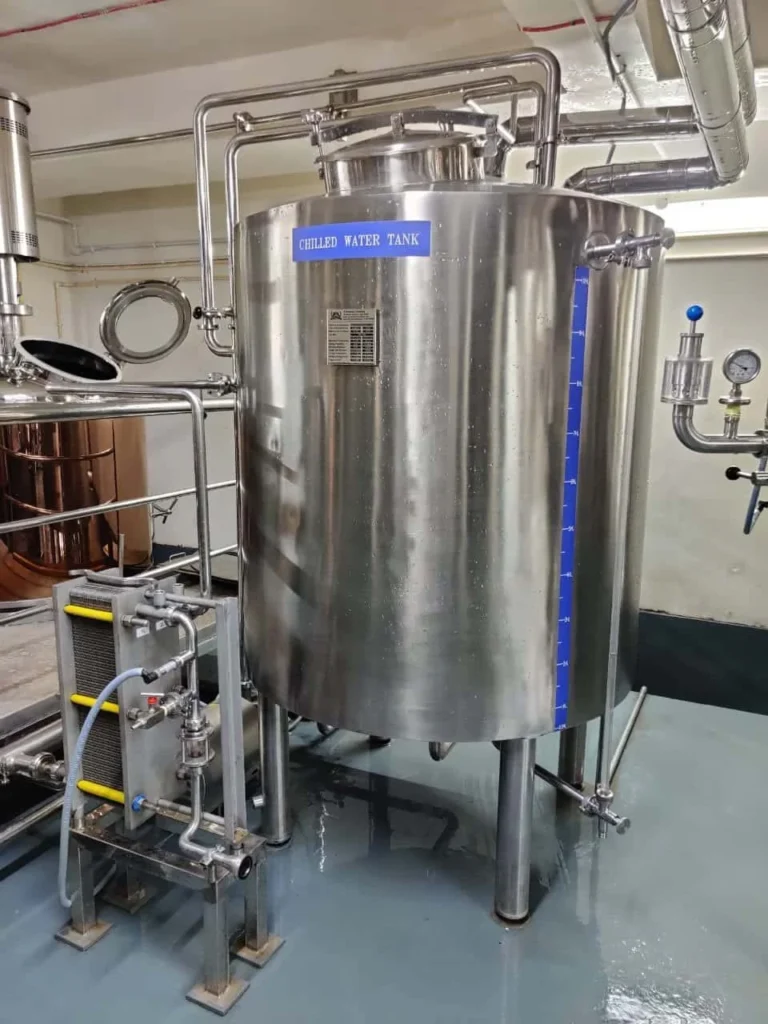
Propylene glycol must be stored carefully in airtight, temperature-controlled containers to maintain its quality and prevent contamination. Following industry standards, regulatory compliance, and safety protocols ensures both product integrity and workplace safety.
Understanding Propylene Glycol Storage Requirements
What is Propylene Glycol?
Propylene glycol is a versatile chemical widely used in industries for its properties as an antifreeze, coolant, and solvent. Therefore, understanding its significance is essential to ensure proper storage practices.
Chemical Properties of Propylene Glycol
Propylene glycol is hygroscopic, meaning it absorbs moisture from the air. As a result, airtight storage solutions are crucial to maintaining its quality.
Importance of Proper Storage
Properly storing propylene glycol is critical to preventing contamination, degradation, and safety risks. Moreover, improper storage can compromise product quality, lead to operational inefficiencies, and increase costs.
Best Practices for Storing Propylene Glycol
Temperature Control and Monitoring
Maintaining a consistent temperature is essential for proper storage. For instance, extreme fluctuations can cause propylene glycol to degrade or separate. To prevent this, consider using temperature-controlled storage facilities.
Suitable Storage Containers
Always choose containers made of materials compatible with propylene glycol, such as stainless steel or specific plastics. Additionally, these containers should be designed to prevent leaks and resist the chemical’s properties.
Avoiding Contamination
Ensure storage containers are clean and free from residues that could contaminate the propylene glycol. Furthermore, regular inspections help maintain the purity of the substance.
Storage Location Considerations
Store propylene glycol in a dry, cool, and well-ventilated area. Similarly, keep it away from direct sunlight and heat sources to avoid chemical degradation.
Propylene Glycol Storage Guidelines
Industry Standards for Storage
Adhering to industry standards ensures your storage practices meet safety and quality benchmarks. Consequently, these standards help protect the product and provide a framework for proper handling.
Regulatory Compliance
Compliance with local and global regulations is essential. These rules, for example, safeguard employees, the environment, and the stored product’s quality. Thus, regular reviews ensure your practices meet or exceed regulatory requirements.
Safety Protocols
Implement robust safety measures to protect against hazards. For example, proper labeling of containers, spill containment systems, and training personnel in safe handling practices are critical steps for secure storage.
Need a reliable partner?
Red River specializes in the design and manufacturing of pressure vessels. We also fabricate related items such as prefabricated spools and skid packages.
Reach Out to us today and experience the Red River difference. Where American Made and American Values come together, we care more.
Frequently Asked Questions
1. How long can propylene glycol be stored thoroughly?
Propylene glycol can last up to two years if stored under optimal conditions. To maintain its quality, use airtight containers and keep them away from direct sunlight and extreme temperatures. Additionally, regular inspections help ensure the product remains in good condition.
2. Can propylene glycol be mixed with other substances throughout the garage?
Mixing propylene glycol with other substances is not recommended, as it can cause chemical reactions that compromise its quality or create safety risks. Therefore, always store propylene glycol in dedicated containers designed for its specific properties.
3. What should I do if I notice an infection in my propylene glycol garage?
If contamination occurs, act immediately to address the issue. Dispose of the affected glycol following regulatory guidelines. Furthermore, clean and inspect the storage containers thoroughly before reuse to ensure a clean storage environment.
4. Are there specific temperature degrees endorsed for storing propylene glycol?
Propylene glycol should be stored at temperatures between 50°F and 104°F (10°C to 40°C). Extreme temperature fluctuations, for instance, can affect its stability. Thus, temperature-controlled storage facilities are ideal for maintaining consistent conditions.
5. How can I save you leaks in propylene glycol garbage bins?
To avoid leaks, use compatible storage containers with secure seals. Additionally, regularly inspect the containers for signs of wear and tear, and replace them as needed. Secondary containment measures, such as spill pallets or dikes, add an extra layer of protection against leaks.
Key Takeaways
- Use airtight, compatible containers (stainless steel or approved plastics) to prevent contamination and leaks.
- Store in a cool, dry, well-ventilated area away from direct sunlight and heat sources.
- Maintain consistent temperatures (50°F–104°F / 10°C–40°C) to avoid degradation or separation.
- Follow safety protocols, labeling, spill containment, and regulatory guidelines for safe and compliant storage.
Related Blog Post
How a Glycol System Works
Ethylene Glycol Water: A Complete Heat Transfer Guide
Water Filter Replacement
Why Use Stainless Steel Sheet Metal Fabrication?

How Does Stainless Steel Sheet Metal Fabrication Work
About Author



