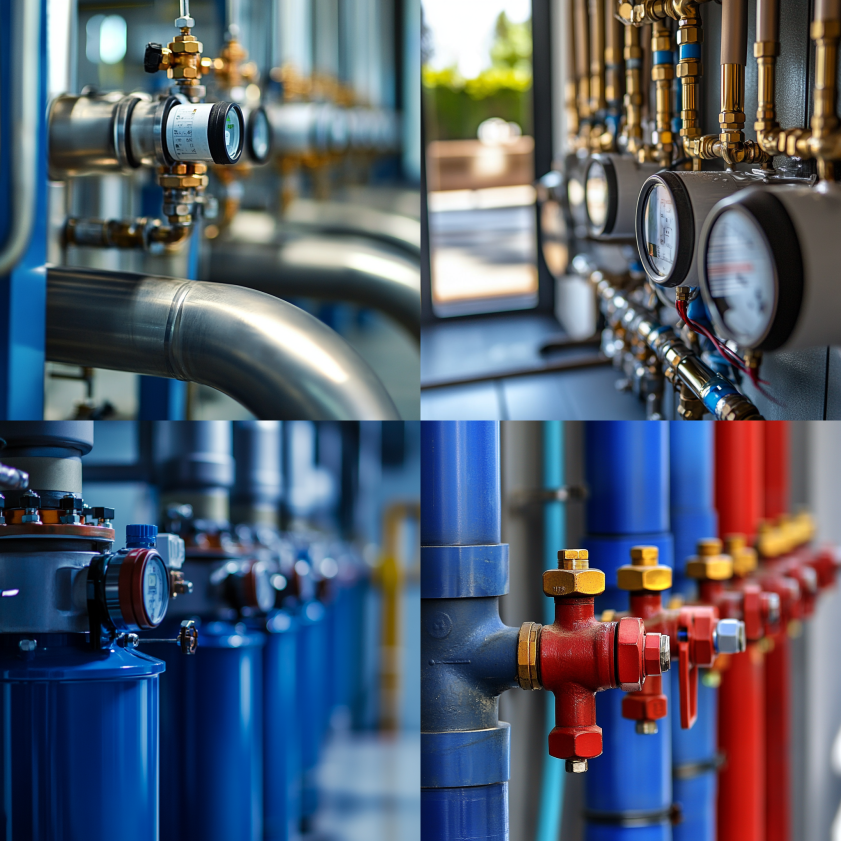
Ethylene glycol water mixtures provide essential freeze protection, corrosion resistance, and system reliability for HVAC, refrigeration, and industrial applications. While pure water transfers heat more efficiently, adding ethylene glycol safeguards equipment in extreme temperatures and harsh conditions.
Ethylene Glycol Water: A Complete Heat Transfer Guide
Ethylene glycol water plays a crucial role in cooling and heating systems that require freeze protection, corrosion resistance, and long-term system stability. While water is more efficient at absorbing heat, mixing it with ethylene glycol provides essential safeguards necessary in many industrial and commercial operations. This blog explains how ethylene glycol water works, when it should be used, and how it compares to pure water in real-world heat transfer environments. You will also learn how it affects system performance, maintenance expectations, and what Red River LLC can do to support your equipment needs.
Understanding Ethylene Glycol Water in Modern Heat Transfer Systems
Choosing between ethylene glycol water mixtures and pure water is critical for heating and cooling system performance. The decision impacts system efficiency, long-term operating costs, and protection against freezing and corrosion. This guide explains how ethylene glycol water compares with water, when to use it, and what it means for your industry applications. Learn more about glycol and its uses.
For more resources, check our Glycol Cooling System Guide and Why Glycol is Called Antifreeze.
What Is Specific Heat Capacity?
Specific heat capacity defines how much heat a substance must absorb to increase by one degree:
- Water: ~4.18 kJ/kg·K
- Ethylene Glycol: ~2.38 kJ/kg·K (Ethylene Glycol Properties)
- Ethylene Glycol Water (50/50 blend): ~3.14 kJ/kg·K
This shows that ethylene glycol water mixtures store less heat than water, but their protective benefits make them essential in many systems. Check glycol shelf life and maintenance for optimal performance.
Ethylene Glycol vs Water: Specific Heat Capacity Comparison
| Fluid | Specific Heat (kJ/kg·K) | Specific Heat (Btu/lb·°F) |
| Water | 4.18 | 1.00 |
| Ethylene Glycol | 2.38 | 0.57 |
| Propylene Glycol | 2.49 | 0.60 |
| 50/50 Glycol-Water | 3.14 | 0.75 |
Reference: EPA – Chilled Water Systems.
Why Use Ethylene Glycol Water Solutions?
While water alone is more efficient for heat transfer, ethylene glycol water solutions offer:
- Freeze Protection, down to –40 °C with a 50/50 mix (Glycol Tanks Guide)
- Corrosion Resistance with modern inhibitors (Ethylene Glycol Corrosiveness)
- Operational Reliability in extreme climates (Glycol Expansion Tank)
- Year-Round Safety without seasonal draining (Glycol and Its Role in Boilers)
For more, see Is Glycol the Same as Coolant?
Applications of Ethylene Glycol Water Mixtures
Common uses include:
- HVAC chilled water loops
- Industrial refrigeration (Glycol as a Refrigerant)
- Food and beverage processing, often using propylene glycol for non-toxic cases (Propylene Glycol Safety)
- Closed-loop heating in extreme climates (Glycol Holds Heat Longer than Water)
See also the uses of glycol.
Making the Right Ethylene Glycol Water Choice
If efficiency is the priority, water is superior. But when freeze protection, corrosion resistance, and reliability are essential, ethylene glycol water solutions are the best choice. For proper handling, see Store Glycol Safely and Effectively.
Why Ethylene Glycol Water Remains a Trusted Heat Transfer Solution
Ethylene Glycol Water and Long-Term System Performance
Ethylene glycol water is a dependable choice for heat transfer systems that need freeze protection, corrosion resistance, and reliable year-round operation. While pure water is more efficient in transferring heat, ethylene glycol water offers broader benefits that protect system components and ensure operational stability. By following glycol shelf life and maintenance and monitoring glycol degradation, equipment can achieve longer lifespan and better system reliability.
For operations requiring steady temperatures and controlled conditions, Red River LLC provides guidance and services to maintain optimal system performance, including ethylene glycol storage and handling and glycol expansion tank selection.
Need a reliable partner?
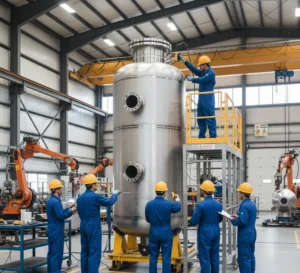
Red River specializes in the design and manufacturing of pressure vessels. We also fabricate related items such as prefabricated spools and skid packages.
Reach Out to us today and experience the Red River difference. Where American Made and American Values come together, we care more.
Frequently Asked Questions
1. What makes ethylene glycol water important in cooling systems?
Ethylene glycol water protects systems from freezing, corrosion, and thermal stress, ensuring dependable operation across wide temperature ranges.
2. Where is ethylene glycol water commonly used?
Ethylene glycol water is used in HVAC systems, industrial cooling loops, refrigeration applications, hydronic heating, and equipment exposed to temperature extremes.
3. Is ethylene glycol water better than pure water?
Ethylene glycol water provides better protection, while pure water offers greater heat transfer efficiency. The best choice depends on system requirements.
4. How does ethylene glycol water help reduce corrosion?
Modern ethylene glycol water mixtures contain inhibitors that protect metals from rust, pitting, and chemical degradation.
5. How often should ethylene glycol water be inspected?
Inspection depends on system load and conditions, but regular monitoring helps ensure proper inhibitor levels and fluid quality.
6. Can ethylene glycol water be used in food-processing equipment?
Food-safe propylene glycol blends are used for applications that require non-toxic fluids.
7. What happens if ethylene glycol water is too diluted?
Dilution reduces freeze protection and corrosion resistance, leading to potential equipment damage.
8. Why does ethylene glycol water reduce heat-transfer efficiency?
The mixture absorbs less heat compared to pure water, but its protective benefits outweigh the loss in applications exposed to temperature risk.
Key Takeaways
- Ethylene glycol water provides freeze protection and corrosion resistance.
- Pure water is more efficient, but ethylene glycol water offers broader system protection.
- Ideal for HVAC, refrigeration, hydronic heating, and industrial applications.
- The mixture supports long-term reliability and stable operating conditions.
- Choosing the proper ratio ensures optimal system safety and performance.
Related Blog Post
Pressure Vessel Design & Engineering: Concept to Launch
What is Pressure Vessel Design and Engineering: Code-Ready Guide
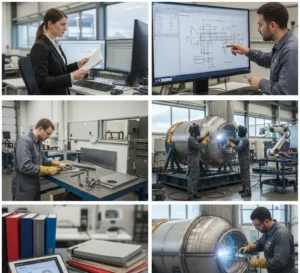
What are the Key Factors in Pressure Vessel Engineering
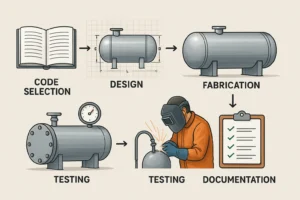
How Do You Design a Pressure Vessel: A Step-By-Step Guide