
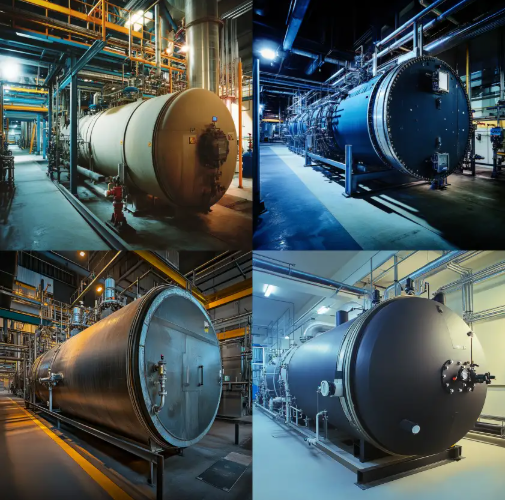
Pressure vessels are essential in industrial water treatment, providing pressurized housings for filtration, softening, separation, and chemical processes to ensure water quality and operational efficiency. Properly designed, maintained, and customized vessels enhance system reliability, longevity, and scalability while supporting regulatory compliance and sustainable operations.
Why Pressure Vessels Matter in Water Treatment
In industrial operations, water is more than just a utility it’s a critical resource that supports manufacturing, cooling, cleaning, and other essential processes. However, raw water often contains suspended solids, microorganisms, dissolved chemicals, or minerals that can disrupt operations or damage equipment. Treating this water is not just a best practice it’s a necessity.
That’s where pressure vessels play a vital role in industrial water treatment. These engineered containers are designed to hold fluids under pressure and perform essential functions throughout the treatment cycle, from filtration and softening to chemical dosing and separation. When designed and fabricated correctly, pressure vessels help treatment systems operate efficiently, remain compliant with regulations, and deliver water suitable for reuse or discharge.
At Red River, our commitment goes beyond manufacturing. Backed by decades of experience and comprehensive fabrication capabilities, we design purpose-built, American-made pressure vessels tailored to the specific demands of industrial water treatment systems. Reliability, safety, and performance are built into every vessel because critical applications leave no room for compromise.
How Pressure Vessels Work in Water Treatment Processes
Filtration and Separation
One of the most common roles of pressure vessels in industrial water treatment is filtration. Inside the vessel, filter media or membranes trap particles, sediments, or contaminants as water flows under controlled pressure. Media may include sand, gravel, activated carbon, or advanced membranes used in ultrafiltration (UF) and reverse osmosis (RO).
In multi-media filtration systems, pressure vessels are engineered to house layered filtration media that progressively remove suspended solids. This protects downstream equipment and improves system efficiency an especially critical requirement in pharmaceutical, electronics, and food manufacturing environments. For a deeper technical overview, see Understanding Water Tanks as Pressure Vessels.
Pressure Regulation
Water treatment isn’t just about removing impurities it’s about doing so consistently. Pressure vessels help maintain stable operating pressures so treatment systems function within optimal flow ranges. This is particularly important in RO systems, where pressure must be high enough to overcome osmotic pressure without damaging membranes.
Red River vessels are designed in compliance with ASME-certified pressure vessel standards and incorporate engineered nozzles, pressure relief devices, and monitoring connections. Learn more about design fundamentals in Understanding Pressure Vessels: Definitions and Thresholds.
Thermal and Chemical Resistance
Many industrial water treatment processes involve elevated temperatures or aggressive chemical environments. Material selection is critical. Stainless steel pressure vessels offer excellent corrosion resistance and structural integrity, while fiberglass-reinforced plastic (FRP) vessels provide lightweight solutions for highly acidic or alkaline fluids.
Material decisions are guided by application requirements, chemical exposure, and lifecycle expectations. Red River supports these decisions through proven metal fabrication expertise and guidance outlined in Choosing the Right Material for Pressure Vessel Fabrication.
Common Applications in Industrial Settings
Pretreatment Systems
Before water enters advanced treatment stages such as RO or ion exchange, pretreatment is used to remove large particulates, reduce turbidity, and prevent fouling. Pressure vessels house filtration media that protect sensitive downstream equipment and reduce maintenance costs.
Pretreatment vessels are often integrated into modular skid systems, allowing for faster installation and easier expansion. This approach aligns with Red River’s prefabrication strategy for improved project timelines.
Softening and Deionization
For industries requiring mineral-free or ultra-pure water, pressure vessels are used to contain ion-exchange resins. These systems remove calcium, magnesium, and other dissolved ions that can damage equipment or compromise product quality.
These applications are common in power generation, electronics manufacturing, and pharmaceutical production. For related industry insight, see Understanding Pressure Vessels in the Power Generation Industry.
Wastewater Reclamation
Sustainability initiatives are driving increased adoption of wastewater reclamation systems. Pressure vessels support secondary and tertiary treatment stages, including biological processes and membrane bioreactors (MBRs), allowing treated water to be reused or safely discharged.
These systems help organizations meet environmental regulations while reducing water consumption. Learn more about compliance and best practices in Safety and Compliance in Pressure Vessel Design and Comprehensive Guide to Pressure Vessel Inspection.
Benefits of Using Pressure Vessels in Water Treatment
Custom Design and Scalability
No two water treatment systems are identical. Flow rates, contaminant profiles, and purity requirements vary widely. Pressure vessels can be custom-designed to meet these variables, whether for compact batch treatment or large-scale continuous operations.
Red River’s solutions and quality assurance processes ensure every vessel integrates seamlessly into existing systems and performs reliably over time.
Efficiency and Longevity
Properly designed pressure vessels deliver long service life with minimal downtime. Corrosion-resistant materials, engineered flow paths, and robust fabrication techniques reduce maintenance costs and extend equipment lifespan.
Our fabrication approach outlined in Fabrication Process: Cutting, Folding, Welding and Guide to Metal Fabrication ensures each vessel meets demanding industrial standards.
Securing Your Water Treatment Future with Pressure Vessels in Industrial Water Treatment
The critical role of pressure vessels in industrial water treatment cannot be overstated in today’s industrial landscape. These engineered systems serve as the backbone of effective water treatment operations, enabling facilities to achieve superior water quality while maintaining operational efficiency and environmental compliance.
From filtration and separation to chemical treatment and wastewater reclamation, pressure vessels in industrial water treatment provide the reliability, scalability, and performance that modern industries demand. As environmental regulations tighten and water scarcity increases, pressure vessels in industrial water treatment become increasingly vital for sustainable operations and long-term industrial success.
Need a reliable partner?
Red River specializes in the design and manufacturing of pressure vessels. We also fabricate related items such as prefabricated spools and skid packages.
Reach out to us today and experience the Red River difference. Where American-made products and American Values come together, we care more.
Frequently Asked Questions
1. What are pressure vessels used for in industrial water treatment?
Pressure vessels are used to hold and regulate fluids under pressure. In water treatment, they serve as housings for filters, membranes, or resins that remove impurities, soften water, or separate contaminants.
2. What materials are best for pressure vessels in water treatment?
Stainless steel and fiberglass are popular due to their corrosion resistance and durability. For more technical insights, explore ScienceDirect’s resources on separator technology.
3. Can pressure vessels be customized for specific treatment processes?
Absolutely. Pressure vessels can be engineered in various sizes, shapes, orientations (vertical or horizontal), and connection types. Custom features such as internal coatings, manways, multiple ports, or integrated sensors can also be added to meet specific treatment needs.
4. How long do industrial pressure vessels typically last?
With regular maintenance and proper usage, pressure vessels can last anywhere from 10 to 20 years or more. Factors that affect longevity include material selection, operating pressure, chemical exposure, and maintenance frequency.
5. What standards apply to water treatment pressure vessels?
Common standards include ASME Section VIII (for pressure design), NSF certifications (for potable water systems), and applicable regional or industry-specific safety guidelines. Compliance ensures structural integrity, operational safety, and regulatory approval.
6. Are pressure vessels safe for potable water?
Yes, when constructed from food-grade materials and certified by organizations like NSF, pressure vessels are completely safe for treating drinking water.
7. What industries use pressure vessels for water treatment?
A wide range of industries use pressure vessels in industrial water treatment, including power generation, oil and gas, pharmaceuticals, chemical manufacturing, electronics, and food and beverage processing.
Key Takeaways
- Pressure vessels are central to modern industrial water treatment supporting filtration, softening, separation, and chemical treatment.
- These vessels enable scalable, efficient, and long-lasting solutions tailored to each facility’s water quality needs.
- Material selection, vessel configuration, and maintenance practices play a major role in performance and longevity.
- Custom vessels from trusted manufacturers like Red River ensure long-term value.
Related Blog Post
Pressure Vessel Design & Engineering: Concept to Launch
What is Pressure Vessel Design and Engineering: Code-Ready Guide
What are the Key Factors in Pressure Vessel Engineering
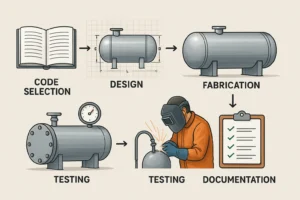
How Do You Design a Pressure Vessel: A Step-By-Step Guide
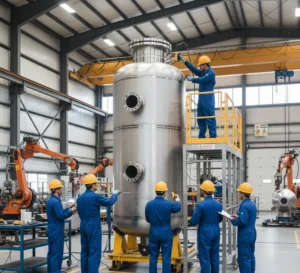
What is Pressure Vessel Fabrication and Manufacturing
- Innovations in Pressure Vessel Technology for the Water Industry
- Improving RO System Efficiency Pressure Vessels
- Trends in Sustainable Pressure Vessel Design for Water Treatment Systems
- Cost Analysis: Investing in a Quality Pressure Vessel for Water Treatment
- Commercial Water Pressure Vessels for Improved System Efficiency
- Benefits of Using Pressure Vessels in Desalination Plants



