
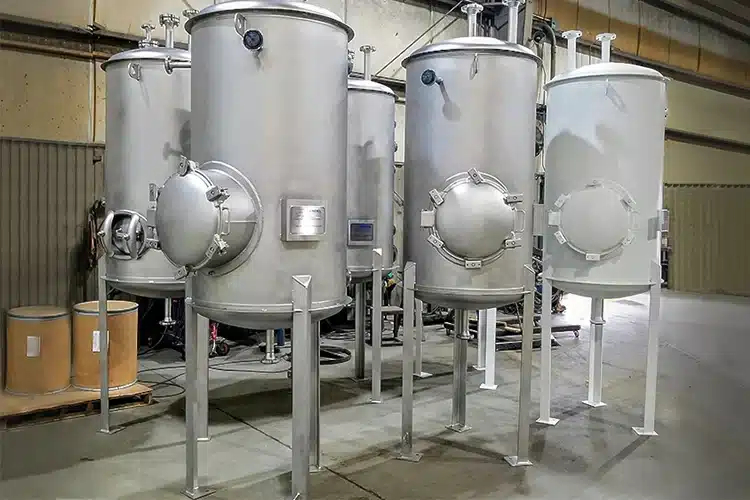
Glycol, widely used in industries and everyday products, poses health and environmental hazards, particularly ethylene glycol, which is highly toxic. Safe handling, proper disposal, and compliance with regulatory guidelines are essential to protect workers and the environment.
Glycol Hazards and Safety
Glycol is a versatile chemical used in various industries, ranging from automotive applications to pharmaceuticals. There are different types of glycol, each with unique properties that determine their uses and handling requirements. Two of the most common types are ethylene glycol and propylene glycol. Understanding their differences is essential to managing them safely and ensuring workplace safety.
Types of Glycol: Ethylene Glycol vs. Propylene Glycol
- Ethylene Glycol: Often found in antifreeze and coolants, ethylene glycol is highly effective but toxic. It poses significant risks if ingested, inhaled, or absorbed through the skin.
- Propylene Glycol: This glycol variant is used in food products, cosmetics, and pharmaceuticals. It is considered much safer than ethylene glycol, though it still requires cautious handling to prevent any potential health risks.
Common Uses of Glycol Hazards and Safety in Industry
Glycol in Everyday Products
Beyond industrial applications, glycol is found in many household products. From de-icing agents to personal care items, glycol is more prevalent in daily life than most people realize. Its widespread use makes it critical to understand how to safely handle and dispose of glycol to prevent accidents.
Regulatory Classification of Glycol
Various regulatory bodies have established guidelines to ensure the safe handling and disposal of chemicals like glycol. These regulations aim to protect public health and safeguard the environment.
OSHA’s Stance on Glycol
The Occupational Safety and Health Administration (OSHA) has clear guidelines for handling glycol, particularly in workplace settings. Ethylene glycol, in particular, is classified as hazardous, emphasizing the need for proper protective measures when working with it. OSHA outlines protocols to minimize exposure and ensure worker safety when using glycol in various applications.
EPA Guidelines for Glycol
The Environmental Protection Agency (EPA) also regulates glycol, especially concerning its environmental impact. Improper disposal of glycol can lead to contamination of water sources, soil, and ecosystems. The EPA’s guidelines focus on safe disposal methods and spill management to minimize these risks.
International Regulations on Glycol
Globally, regulatory standards for glycol are similar, with a primary focus on safety and environmental protection. For companies operating internationally, it is essential to stay up-to-date with these standards to ensure compliance across borders.
Need a reliable partner?
Red River specializes in the design and manufacturing of pressure vessels. We also fabricate related items such as prefabricated spools and skid packages.
Reach out to us today and experience the Red River difference. Where American-made products and American Values come together, we care more.
Frequently Asked Questions
1. What are the principle variations among ethylene glycol and propylene glycol in terms of protection?
Ethylene glycol is exceedingly poisonous and may cause extreme fitness issues if ingested, inhaled, or absorbed through the pores and skin. It is in general utilized in antifreeze and commercial programs. Propylene glycol, alternatively, is considered a whole lot safer and is typically utilized in meals, cosmetics, and prescribed drugs. However, despite its lower toxicity, propylene glycol still requires cautious coping to keep away from any ability fitness dangers.
2. How should glycol spills be managed to make certain safety and environmental safety?
In the occasion of a glycol spill, it is important to behave speedily to minimize environmental impact and fitness risks. Contain the spill the use of absorbent substances and prevent it from entering waterways. Use a non-public defensive device (PPE) during cleanup to avoid pores skin touch and inhalation. Dispose of the contaminated materials in keeping with nearby policies and tips furnished via environmental safety businesses.
3. What are the lengthy-time period environmental consequences of glycol if not nicely disposed of?
Improper disposal of glycol can result in full-scale environmental harm. Ethylene glycol is mainly harmful as it can contaminate water sources, posing a hazard to aquatic existence and wildlife. It also can lead to soil infection, affecting plant increase and ecosystems. Proper disposal strategies and spill prevention techniques are critical to mitigate these risks.
4. Are there any safer options for ethylene glycol for business packages?
Yes, there are safer options for ethylene glycol, which includes propylene glycol and glycerin-primarily based solutions. These options provide similar overall performance in phrases of warmth switch and antifreeze houses but with appreciably decreased toxicity degrees. Choosing safer alternatives can help reduce fitness and environmental risks associated with glycol use.
5. How can businesses ensure compliance with policies regarding using glycol?
To ensure compliance with regulations, groups ought to live informed approximately the recommendations set through agencies like OSHA and the EPA. Regularly updating safety protocols, imparting employee training, and keeping the right documentation of glycol dealing with and disposal practices are essential steps. Conducting habitual protection audits and being attractive to regulatory bodies can also help companies stay compliant and up to date with cutting-edge protection standards.
Key Takeaways
- Ethylene glycol is highly toxic, while propylene glycol is safer but still requires careful handling.
- Glycol spills must be contained, cleaned with PPE, and disposed of according to environmental regulations.
- Improper disposal can contaminate water, soil, and harm ecosystems; regulatory compliance is critical.
- Safer alternatives like propylene glycol or glycerin-based solutions can reduce health and environmental risks.
Related Blog Post
Pressure Vessel Design & Engineering: Concept to Launch
What is Pressure Vessel Design and Engineering: Code-Ready Guide
What are the Key Factors in Pressure Vessel Engineering
How Do You Design a Pressure Vessel: A Step-By-Step Guide
What is Pressure Vessel Fabrication and Manufacturing
About Author



