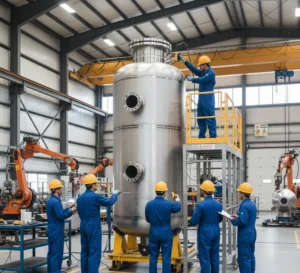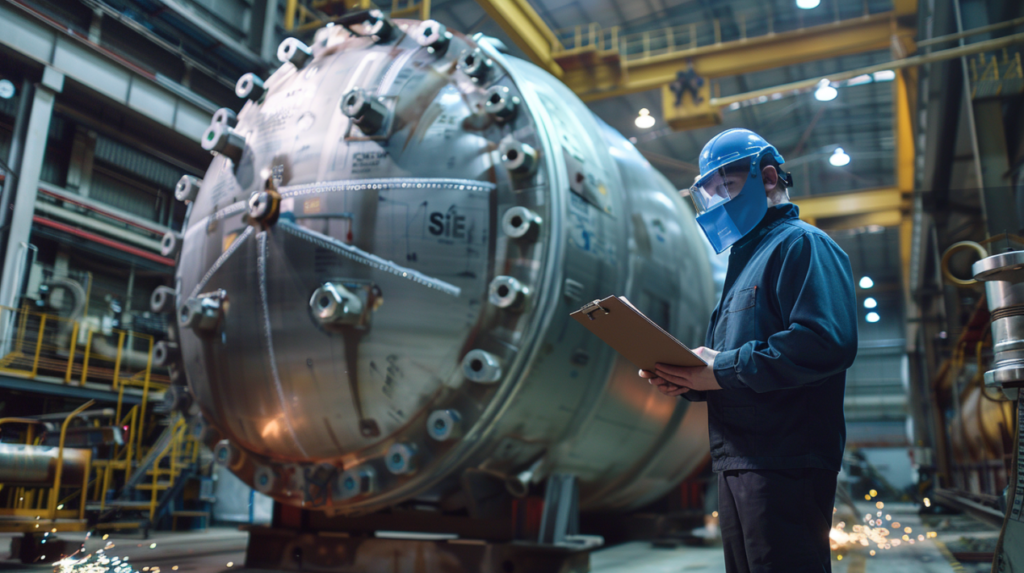
ASME certification verifies that a manufacturer follows strict quality control systems and complies with ASME codes such as Section VIII for pressure vessels. It ensures safety, reliability, regulatory compliance, and global market acceptance. Working with an ASME-certified manufacturer reduces risk and protects long-term operational performance.
What Is ASME Certification?
ASME certification is an official authorization issued by the American Society of Mechanical Engineers that allows manufacturers to design and fabricate equipment according to specific ASME codes and standards.
In pressure vessel manufacturing, the most common code is ASME Section VIII, which governs the design, fabrication, inspection, and testing of pressure vessels. Manufacturers specializing in this work often provide detailed information about their pressure vessel capabilities and broader fabrication capabilities.
ASME certification does not apply to a single product alone. It verifies that a manufacturer has:
- A documented quality control system
- Qualified welding procedures and personnel
- Material traceability processes
- Authorized inspection oversight
- Proper documentation and testing protocols
Companies meeting these requirements may apply the ASME Code Stamp (such as “U” for pressure vessels), commonly associated with ASME-certified pressure vessels.
For foundational knowledge, resources explaining pressure vessel definitions and thresholds and the purpose of a pressure vessel help clarify why certification matters.
Why ASME Certification Is Critical for Quality Assurance
Verified Safety Standards
Pressure vessels operate under high pressure and temperature. Improper design or fabrication can result in rupture, explosion, or catastrophic system failure, as discussed in analyses of failure types in pressure vessels and the most serious hazards.
ASME certification ensures that:
- Engineering calculations meet code requirements
- Materials meet approved specifications
- Welds are qualified and inspected
- Hydrostatic or pressure testing is performed
Guidance on safe pressure vessel design essentials and safety and compliance practices highlights how structured oversight reduces operational risk.
Material selection also plays a major role, which is why many engineers consult resources on the ideal materials for fabrication and comprehensive guides to choosing the right material.
Regulatory Compliance
In many U.S. jurisdictions and industries, ASME certification is required by law for pressure vessels and boilers.
Compliance helps facilities:
- Pass inspections
- Avoid shutdowns
- Prevent fines or legal action
- Meet OSHA and state requirements
Inspection practices outlined in the comprehensive guide to pressure vessel inspection and requirements for pressure container inspections demonstrate how certification supports regulatory approval.
Without ASME certification, equipment may not be approved for installation.
Risk Reduction and Liability Protection
Using non-certified equipment increases exposure to:
- Insurance complications
- Legal claims after failure
- Project delays
- Costly retrofits
ASME-certified fabrication demonstrates due diligence and adherence to nationally recognized engineering standards, strengthening overall quality assurance in tank manufacturing.
Understanding failure criteria and stress behavior, such as the primary stress in pressure vessels, further underscores the importance of code-compliant design.
Global Market Acceptance
ASME certification is recognized worldwide. Many international projects require ASME-stamped equipment as a baseline qualification.
For companies exporting equipment or operating across borders, certification simplifies:
- Cross-border approvals
- Client qualification processes
- Engineering reviews
It serves as a universal quality benchmark across industries including oil and gas, chemical processing, and power generation, where specialized equipment like two-phase separators and vapor recovery towers must meet strict standards.
How a Manufacturer Becomes ASME Certified
Becoming ASME certified requires a formal review process that includes:
- Development of a written Quality Control Manual
- Implementation of code-compliant fabrication procedures
- Qualification of weld procedures (WPS/PQR)
- Demonstration of material control and traceability
- Joint review by ASME representatives and an Authorized Inspection Agency
Manufacturing methods such as cutting, forming, and welding are covered in detailed explanations of the pressure vessel manufacturing process and the broader fabrication process.
Certification is not permanent. Manufacturers undergo periodic audits to maintain authorization and demonstrate continued compliance.
The Role of ASME Certification in Pressure Vessel Fabrication
For pressure vessels specifically, ASME certification ensures:
- Proper design calculations for internal pressure
- Compliance with thickness and reinforcement rules
- Qualified welding procedures
- Non-destructive examination (NDE) when required
- Documented pressure testing
- Complete manufacturing data reports
These safeguards protect facilities using a wide range of equipment, from air receiver vessels and compressed air tanks to systems handling water, steam, or process fluids such as blowdown tanks.
Industries relying on certified vessels include:
- Oil & Gas
- Chemical Processing
- Water Treatment
- Energy and Power Generation
- Biogas and Carbon Capture
- Refrigeration and Thermal Energy Storage
Overviews of industrial pressure vessel types and the most common vessel designs illustrate how widespread these applications are.
Common Misunderstandings About ASME Certification
“ASME certification guarantees zero failures.”
No certification eliminates all risk. However, ASME certification significantly reduces preventable design and fabrication errors by enforcing standardized engineering practices.
“Any fabricator can build to ASME standards.”
A shop may claim to “build to ASME standards,” but only certified manufacturers can legally apply the ASME Code Stamp.
“Certification only matters for large projects.”
Even small vessels can pose serious hazards. Guidance comparing pressure tanks vs pressure vessels and explaining why pressure tanks are needed highlights the risks regardless of size.
Long-Term Business Advantages of ASME Certification
Beyond compliance, ASME certification supports:
- Structured quality management systems
- Continuous process improvement
- Stronger documentation control
- Improved welding consistency
- Higher customer confidence
For procurement teams and engineers, specifying certified fabrication reduces uncertainty during vendor selection. Companies evaluating providers often review organizational information such as company capabilities, available engineering solutions, or request detailed proposals through a quote request.
ASME Certification
ASME certification is more than a symbol. It represents a structured commitment to engineering integrity, safety, and regulatory compliance.
In pressure vessel manufacturing, where failure can lead to severe operational and financial consequences, working with an ASME-certified manufacturer provides measurable protection. From initial design calculations to final inspection and documentation, certification ensures that established standards guide every step of fabrication.
Organizations seeking compliant equipment, technical guidance, or project support can explore manufacturer resources, technical articles in the industry blog, or connect directly through the contact page.
Ultimately, ASME certification delivers what mission-critical operations require most: confidence that safety, quality, and performance are engineered into every vessel from the start.
Need a reliable partner?
Red River specializes in the design and manufacturing of pressure vessels. We also fabricate related items such as prefabricated spools and skid packages.
Reach out to us today and experience the Red River difference. Where American-made products and American Values come together, we care more.
FREQUENTLY ASKED QUESTIONS
1. What does ASME certified mean?
ASME certified means a manufacturer has been formally authorized by the American Society of Mechanical Engineers to fabricate equipment in accordance with specific ASME codes and standards.
2. Why is ASME certification important for pressure vessels?
ASME certification ensures pressure vessels are designed, fabricated, inspected, and tested according to nationally recognized safety standards, reducing the risk of failure and ensuring regulatory compliance.
3. How does a company obtain ASME certification?
A company must implement a compliant quality control system, qualify procedures and personnel, undergo a formal joint review, and pass audits conducted by ASME and an Authorized Inspection Agency.
4. What is an ASME Code Stamp?
An ASME Code Stamp (such as “U”) indicates that a pressure vessel was manufactured under an approved quality system and meets ASME code requirements.
5. Can ASME certification be revoked?
Yes. Certification can be suspended or revoked if a manufacturer fails to maintain compliance with ASME requirements or does not pass required audits.
Key Takeaways
- ASME certification verifies compliance with established engineering and safety standards.
- It is often legally required for pressure vessels and boilers.
- Certification reduces risk, liability, and inspection complications.
- Only authorized manufacturers can apply the ASME Code Stamp.
- Ongoing audits ensure continued quality control and compliance.
Related Blog Post
Pressure Vessel Design & Engineering: Concept to Launch
What is Pressure Vessel Design and Engineering: Code-Ready Guide
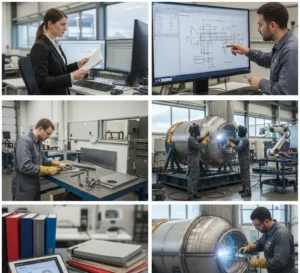
What are the Key Factors in Pressure Vessel Engineering
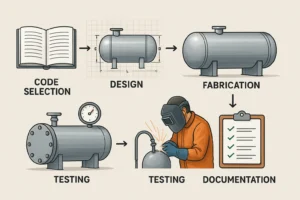
How Do You Design a Pressure Vessel: A Step-By-Step Guide