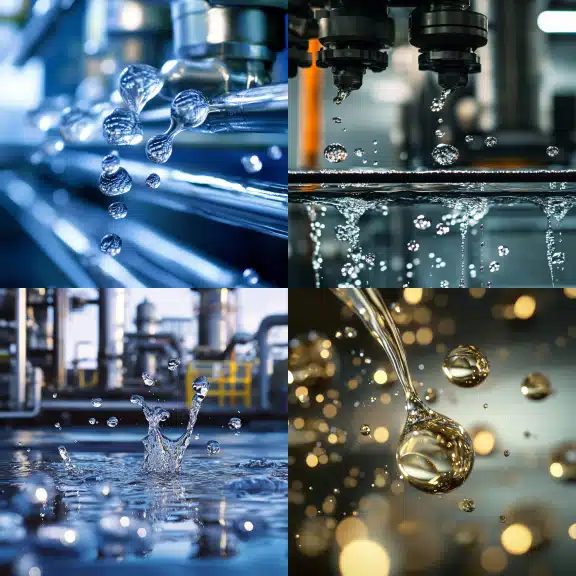
Understanding Coalescence in Industrial Applications
Understanding Coalescence in Industrial Applications is critical for efficient filtration and separation processes. Coalescence allows small droplets or particles to merge into larger ones, improving system performance, reducing maintenance, and ensuring operational reliability. Industries such as oil and gas, energy, and chemical processing depend on this process to maintain product quality and operational safety. Red River provides tailored coalescer solutions to optimize industrial efficiency and durability.
Understanding Coalescence in Industrial Applications
At Red River, we know that Understanding Coalescence in Industrial Applications plays in industries like oil and gas, energy generation, and manufacturing. Coalescence occurs when small droplets or particles merge to form larger ones, aiding in filtration, separation, and overall process efficiency. This process is vital for maintaining precision and reliability, which directly affect operational success. Understanding coalescence ensures you can choose the best methods for handling fuel, liquids, or multiphase systems.
The Science Behind Coalescence
While the science of coalescence may seem complex, it is foundational to many industrial operations. It involves fluid dynamics, particle interactions, and precision engineering. At Red River, we provide in-depth insights into this process, ensuring every solution we design meets your unique needs. By focusing on tailored applications, we help you address operational challenges while maintaining high performance.
Real-global examples of Coalescence
Coalescence is most evident in situations requiring superior performance. For example, separating gasoline from liquids in an oil refinery is a key application where coalescence ensures efficiency and reliability. At Red River, we have firsthand experience in providing solutions that prevent costly downtime and maintain project integrity. From private industries to public works, our pressure vessels and filtration systems are trusted to deliver results in even the most challenging conditions.
The Importance of Coalescence in Industrial Processes
How Coalescence Enhances Efficiency
Coalescence transforms industrial processes by improving separation techniques. By merging small droplets into larger clusters, it allows for faster and more effective separation. This capability reduces energy consumption and minimizes waste. At Red River, we ensure every system is designed to maximize efficiency, saving time and resources.
The Role of Coalescence in Filtration and Separation
Understanding Coalescence in Industrial Applications is central to filtration and separation systems. It facilitates the removal of unwanted components, whether in oil-water separation or gas-liquid filtration. By improving clarity and reducing contaminants, Red River’s advanced coalescer designs help industries achieve higher operational standards while minimizing risks.
Why Coalescence Matters in Manufacturing
In manufacturing, coalescence is key to maintaining product quality and system performance. Whether managing multiphase liquids or refining chemical processes, effective coalescence ensures precision and reduces operational delays. At Red River, our custom solutions enhance filtration and separation processes, helping clients avoid costly disruptions.
Understanding Coalescence in Industrial Applications
Understanding Coalescence in Industrial Applications is essential for maintaining system efficiency, safety, and product quality. Effective coalescence protects equipment, reduces maintenance, and ensures operational consistency. Red River delivers custom coalescer solutions designed to meet industrial demands, providing reliable and long-lasting performance for diverse applications.
Need a reliable partner?
Red River specializes in the design and manufacturing of pressure vessels. We also fabricate related items such as prefabricated spools and skid packages.
Reach Out to us today and experience the Red River difference. Where American Made and American Values come together, we care more.
Frequently Asked Questions
1. What is coalescence, and how does it work in industrial systems?
Understanding Coalescence in Industrial Applications involves small droplets or particles merging into larger ones. This process simplifies separation through filtration or settling, improving efficiency and reliability in operations such as fuel or liquid processing.
2. Why is coalescence important for pressure vessel systems?
Coalescence directly affects separation efficiency in pressure vessels. For example, oil and gas separators rely on coalescence to effectively separate liquids from gas, protecting equipment and ensuring product quality. Red River designs vessels to optimize coalescence and maintain operational safety.
3. Which industries benefit most from coalescence, and why?
Industries like oil and gas, energy generation, chemical processing, and wastewater treatment benefit from coalescence. It ensures precise separation, maintains product quality, and enhances operational safety, leading to cost savings and reduced downtime.
4. How does coalescence contribute to environmental sustainability?
By improving separation efficiency, coalescence reduces waste and environmental impact. For instance, in wastewater treatment, coalescence helps remove contaminants, ensuring cleaner discharge. In fuel processing, it reduces losses and promotes more sustainable resource use.
5. What are common challenges associated with coalescence in industrial processes?
Challenges include maintaining consistent performance under varying temperature, pressure, or fluid composition. Surfactants or chemicals may inhibit droplet merging, requiring careful design, optimization, and maintenance of systems.
6. How do coalescer systems comply with safety standards?
Red River designs coalescer systems in alignment with Pressure Vessel Safety Standards and Compliance. Following ASME codes ensures that pressure vessels are inspected, maintained, and operated safely according to industry regulations.
7. How often should coalescer systems and pressure vessels be inspected?
Regular inspections are essential to maintain efficiency and safety. Pressure Vessel Inspection and Maintenance schedules depend on operational conditions, but routine checks ensure compliance and prevent equipment failures.
8. What should be included in a pressure vessel inspection checklist?
Inspection checklists typically include:
- Visual inspection for leaks or corrosion
- Monitoring pressure and temperature readings
- Checking filter media and drainage layers in coalescer systems
- Ensuring proper operation and system integrity
Key Takeaways
- Coalescence merges small droplets or particles into larger ones, improving separation and filtration.
- Industries such as oil and gas, energy, and manufacturing rely on coalescence for efficiency and reliability.
- Red River’s custom coalescer solutions enhance operational performance and extend equipment lifespan.
- Proper maintenance, inspection, and adherence to safety standards are critical for optimal performance.
- Effective coalescence supports environmental sustainability and regulatory compliance.
Related Blog Post
How a Glycol System Works
Ethylene Glycol Water: A Complete Heat Transfer Guide
Water Filter Replacement
Why Use Stainless Steel Sheet Metal Fabrication?
How Does Stainless Steel Sheet Metal Fabrication Work
No related articles found.
About Author