
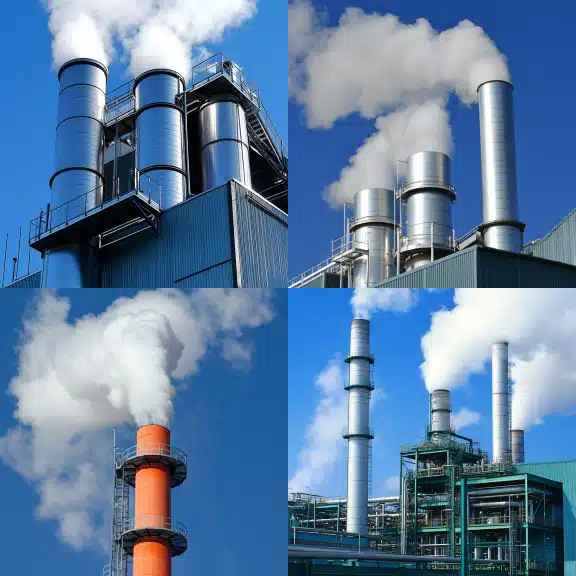
Scrubbers are highly effective tools for reducing harmful emissions in industrial settings. They capture pollutants like sulfur dioxide, nitrogen oxides, and particulate matter, helping industries comply with environmental regulations and improve air quality. These technologies play a key role in promoting sustainability and protecting public health.
Key Advantages of Scrubbers in Air Pollution Control and Environmental Compliance
Scrubbers are essential technologies in air pollution control, offering significant advantages in improving air quality and ensuring regulatory compliance. These systems remove harmful pollutants from industrial emissions, playing a vital role in enhancing environmental sustainability. This article highlights the key benefits of scrubbers in air pollution control, focusing on their efficiency in pollutant removal, regulatory compliance, and positive impact on public health.
How Scrubbers Contribute to Air Pollution Control
Comprehensive Pollutant Capture
Scrubbers are highly effective at capturing a wide range of pollutants, including particulate matter (PM), sulfur dioxide (SO₂), nitrogen oxides (NOₓ), volatile organic compounds (VOCs), and hazardous air pollutants (HAPs). These pollutants, commonly found in industrial emissions, are effectively reduced, ensuring cleaner air for surrounding communities. For more on the science behind sulfur dioxide removal, check out How Scrubbers Remove Sulfur Dioxide.
High Removal Efficiency
Scrubbers can achieve removal efficiencies often exceeding 90% for pollutants such as SO₂ and particulate matter. This makes them a critical technology for industries that must meet stringent environmental regulations. Industries seeking to optimize their scrubber systems should explore more on this in The Lifespan of Scrubbers.
Regulatory Compliance and Economic Benefits
Meeting Emission Standards
Scrubbers help industries meet both local and national emission standards, ensuring compliance with environmental laws and regulations. This contributes to the sustainability of operations and ensures businesses avoid unnecessary penalties.
Avoidance of Penalties
Maintaining compliance with emission limits helps industries avoid fines and regulatory sanctions, which is vital for operational continuity. Compliance not only mitigates legal risks but also supports long-term business growth. For a deeper dive into air receiver inspection, see Air Receiver Inspection Requirements.
Environmental and Operational Benefits
Promotion of Sustainability
Scrubbers help industries reduce harmful emissions, thereby contributing to sustainability goals. The adoption of scrubber technology aligns with global efforts to combat climate change and reduce environmental degradation. Learn more about sustainable solutions in Pressure Vessel Design and Fabrication.
Improved Community Relations
Using scrubbers demonstrates a company’s commitment to environmental responsibility. This fosters positive relations with employees, stakeholders, and surrounding communities, which enhances a company’s reputation as an industry leader in environmental stewardship. Explore more on Community Impact of Scrubber Technology.
Ready to Take Your Emissions Control to the Next Level?
Ensure compliance, improve air quality, and support your sustainability goals with our advanced scrubber solutions.
Contact Red River today to discover how our cutting-edge technologies can benefit your business and the environment.
Frequently Asked Questions
1. How do scrubbers improve air quality?
Scrubbers effectively remove pollutants like sulfur dioxide, nitrogen oxides, particulate matter, and VOCs from industrial emissions, thereby improving air quality and reducing health risks associated with poor air quality.
2. Which industries benefit most from scrubber technology?
Industries such as power generation, chemical processing, steel refining, cement production, and wastewater treatment benefit greatly from scrubbers to control emissions and comply with environmental regulations.
3. What are the economic benefits of using scrubbers?
Although scrubbers require an initial investment, they help industries avoid fines for non-compliance with emission standards, ensuring operational stability and long-term profitability through better environmental performance.
4. How do scrubbers contribute to sustainable development?
Scrubbers support sustainable development by reducing environmental impacts, promoting resource efficiency, and aligning with corporate sustainability efforts to minimize carbon footprints.
5. What advancements are expected in scrubber technology?
Future advancements in scrubber technology may focus on enhancing energy efficiency, reducing water consumption, improving scrubbing materials, and integrating digital technologies for real-time monitoring and performance optimization.
Key Takeaways:
- High Pollutant Removal Efficiency: Scrubbers can remove over 90% of pollutants such as SO₂ and particulate matter, ensuring compliance with stringent environmental regulations.
- Regulatory Compliance: Scrubbers help industries meet local and national emission standards, avoiding penalties and supporting operational continuity.
- Environmental Benefits: Scrubbers reduce harmful emissions, improving air quality and contributing to global sustainability efforts.
- Versatility Across Industries: Scrubbers are adaptable to various industries, including power generation, chemical processing, and wastewater treatment, ensuring wide application flexibility.
- Economic Advantages: Scrubbers help industries avoid fines for non-compliance and contribute to long-term profitability through improved environmental performance.
Related Blog Post
Which Materials Suit Make-Up Water Service?
How Big Should Make-Up Water Tanks Be?
Make-Up Water Tanks: Design, Sizing, and Fabrication
When to Spec Equalization Tanks for Industrial Systems
How Do Equalization Tanks Balance Flow?
No related articles found.
About Author



