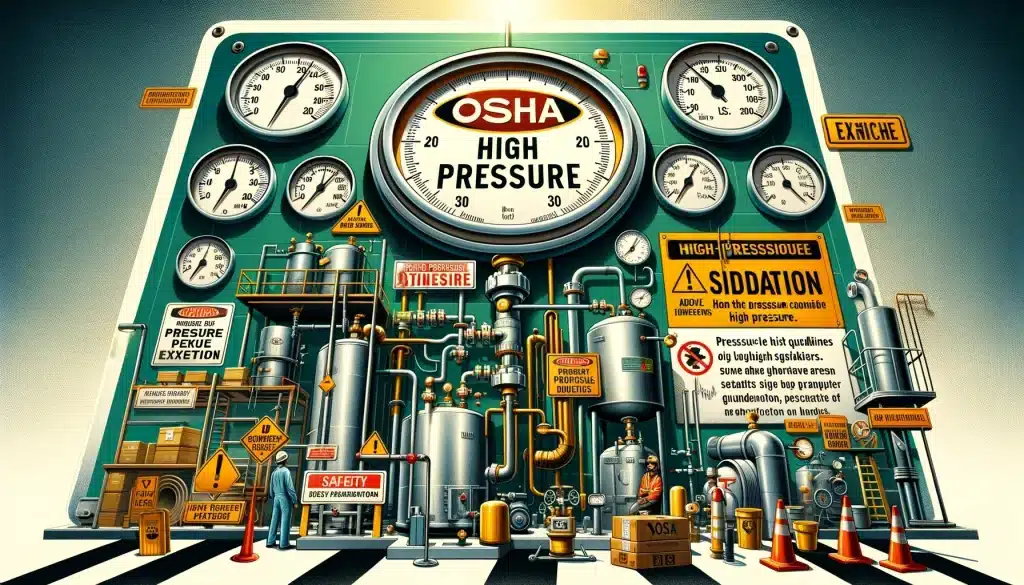
OSHA classifies high pressure as systems typically exceeding 150 PSI, though exact thresholds depend on equipment type and industry. To comply with OSHA’s safety standards such as those outlined in 29 CFR 1910 employers must conduct regular equipment inspections, train employees on emergency procedures, and maintain proper labeling and documentation. Common violations include missing training records, faulty safety valves, and inadequate inspection logs. This guide includes a compliance checklist and inspection prep tips to help your workplace stay safe and audit-ready.
Introduction to OSHA’s High-Pressure Standards
OSHA’s high-pressure safety standards are critical for companies in oil and gas, power generation, and biogas sectors. This guide breaks down OSHA’s definition of high pressure, compliance thresholds (e.g., PSI limits), and mandatory safety measures to help your team avoid violations and stay protected. To stay ahead of violations and protect your workforce, it’s essential to first understand the risks associated with high-pressure vessels.
Overview of OSHA’s Role in Workplace Safety
OSHA plays a pivotal role in setting the bar for safety in excessive-pressure environments. Their regulations for excessive-pressure gadgets are designed to save you from workplace injuries and ensure a secure operating environment. Understanding OSHA’s high-pressure guidelines is key to retaining a compliant and secure operation.
What Qualifies as High Pressure According to OSHA?
OSHA defines “high pressure” differently depending on the industry and equipment involved, but typically it refers to systems exceeding 150 PSI. Employers must consult relevant standards such as 29 CFR 1910.169 (air receivers) and 29 CFR 1910.101 (compressed gases) to determine the exact threshold applicable to their equipment.
| Pressure Range (PSI) | Classification | OSHA Focus |
| 0–15 PSI | Low Pressure | Minimal requirements |
| 15–150 PSI | Medium Pressure | Regular safety protocols |
| 150+ PSI | High Pressure | Mandatory compliance, training, and audits |
OSHA’s Threshold for High-Pressure Conditions
OSHA defines excessive pressure as any machine exceeding a set PSI threshold, vital in industries like oil and fuel or strength era. Understanding this threshold is fundamental to ensuring place of work protection and compliance.
Examples of High-Pressure Environments
High-pressure environments encompass oil refineries, gas garage centers, and chemical processing flora. Recognizing these settings is essential for applying appropriate protection measures.
OSHA High‑Pressure Safety Compliance: Full Checklist
OSHA mandates specific procedures to ensure high-pressure equipment is operated safely. Here’s what employers must do to stay compliant:
- Identify all pressure systems exceeding 150 PSI
- Maintain written safety protocols and inspection logs
- Train all employees on emergency response procedures
- Perform regular equipment inspections (minimum quarterly)
- Ensure proper labeling and pressure relief valves are installed
- Retain documentation for OSHA audits
For a full breakdown of inspection criteria and record-keeping expectations, see our guide on OSHA pressure vessel safety requirements and inspection protocols
Key Safety Protocols for High-Pressure Situations
OSHA mandates particular safety protocols in excessive-pressure situations, along with emergency techniques and system coping with guidelines, to minimize risks.
High-Pressure Equipment and OSHA’s Guidelines
Safety Standards for High-Pressure Machinery
OSHA sets stringent protection requirements for excessive-pressure equipment, specializing in operational protection, emergency controls, and shielding tools.
Regular Maintenance and Inspection Protocols
Regular maintenance and inspections are vital for high-pressure equipment, ensuring it meets OSHA’s safety requirements and performs reliably. For a step-by-step approach, refer to our comprehensive pressure vessel inspection services and guidance
Employee Safety Training for High-Pressure Environments
Essential Training Programs Recommended by OSHA
OSHA recommends comprehensive training packages for employees running in excessive-pressure environments, focusing on safety tactics and emergency response.
Best Practices for High-Pressure Safety Training
Best practices consist of palms-on simulations, ordinary drills, and continuous training on today’s safety protocols and gadget updates.
Understanding the Legal Requirements
Understanding OSHA’s legal requirements for excessive-pressure operations is vital for maintaining a secure and compliant place of business.
Implementing OSHA’s High-Pressure Safety Measures
Effective implementation of OSHA’s protection measures includes ordinary schooling, equipment exams, and a subculture of safety focus.
Case Studies: OSHA and High-Pressure Workplace Incidents
Learning from Past High-Pressure Accidents
Analyzing past high-pressure accidents presents treasured insights into ability hazards and preventive techniques.
How OSHA’s Regulations Have Evolved
OSHA’s policies evolve constantly, reflecting new protection research, technological advancements, and instructions found from past incidents.
High-Pressure Workplace Safety Standards
Creating a Safe Work Environment in High-Pressure Areas
Ensuring a safe work environment in excessive-pressure areas entails rigorous schooling, proper equipment, and a lifestyle of safety first. Regular risk tests are vital.
Regular Safety Audits and Compliance Checks
Conducting everyday safety audits and compliance exams is fundamental to maintaining an excessive trend of protection and adhering to OSHA’s tips.
Navigating OSHA’s High-Pressure Regulations
A Step-by-Step Guide for Employers
A step-by-means guide helps employers apprehend and put in force OSHA’s high-pressure guidelines successfully, ensuring a place of job protection and compliance.
Legal Implications of Non-Compliance
Non-compliance with OSHA’s guidelines can lead to prison results, emphasizing the significance of adhering to protection standards.
Advanced Safety Technologies in High-Pressure Workplaces
Innovations and Improvements in High-Pressure Safety
Innovations in safety generation play a critical role in improving safety in excessive-pressure environments, imparting new approaches to mitigate risks.
The Role of Technology in Ensuring Compliance
Technology aids in making sure compliance with OSHA’s guidelines, imparting tools for monitoring, reporting, and improving safety protocols.
Preparing for OSHA Inspections in High-Pressure Settings
What to Expect During an OSHA Inspection
Understanding what to anticipate for the duration of an OSHA inspection can help agencies prepare successfully, ensuring they meet all required standards.
Tips for Passing OSHA High-Pressure Safety Inspections
Tips for passing OSHA inspections consist of thorough coaching, know-how of regulations, and demonstration of a proactive approach to protection.
Staying Ahead with OSHA’s High-Pressure Safety Standards
Summarizing Key Takeaways
Staying beforehand with OSHA’s excessive-pressure protection requirements includes continuous learning, adherence to regulations, and a commitment to safety.
How Red River LLC Can Assist in Compliance and Safety
Red River LLC gives expertise and aid in navigating OSHA’s excessive-pressure safety standards, ensuring your enterprise remains compliant and safe.
Need a reliable partner?
Red River specializes in the design and manufacturing of pressure vessels. We also fabricate related items such as prefabricated spools and skid packages.
Reach Out to us today and experience the Red River difference. Where American Made and American Values come together, we care more.
Frequently Asked Questions About Pressure Vessels
What PSI does OSHA consider high pressure?
OSHA typically classifies systems above 150 PSI as high pressure, though this can vary by standard and industry. Always refer to the applicable CFR code for specific thresholds.
How often must high-pressure systems be inspected?
OSHA recommends quarterly inspections at minimum, but frequency may increase based on equipment type, age, and usage intensity.
What are the top OSHA violations related to pressure equipment?
Common violations include lack of proper labeling, inadequate employee training, and failure to maintain inspection records.
Do I need a written training plan?
Yes. OSHA requires that employers provide documented training and retraining programs for employees working with high-pressure equipment.
Key Takeaways
- High pressure is typically defined by OSHA as systems operating above 150 PSI, depending on the specific regulation.
- OSHA compliance requires documented employee training, regular equipment inspections, and adherence to safety protocols under 29 CFR 1910.
- Employers should maintain a written safety plan, ensure all safety valves and labels are in place, and prepare for unannounced OSHA inspections.
- The most common violations involve training gaps, incomplete inspection records, and non-compliant equipment labeling.
- Staying proactive with checklists, training updates, and regular audits significantly reduces risk and enhances workplace safety.
Related Blog Post
Pressure Vessel Design & Engineering: Concept to Launch
What is Pressure Vessel Design and Engineering: Code-Ready Guide
What are the Key Factors in Pressure Vessel Engineering
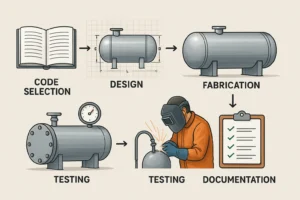
How Do You Design a Pressure Vessel: A Step-By-Step Guide
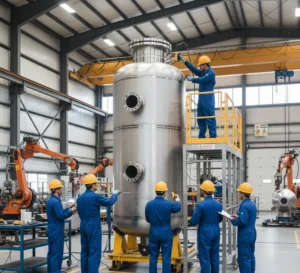
What is Pressure Vessel Fabrication and Manufacturing
About Author