
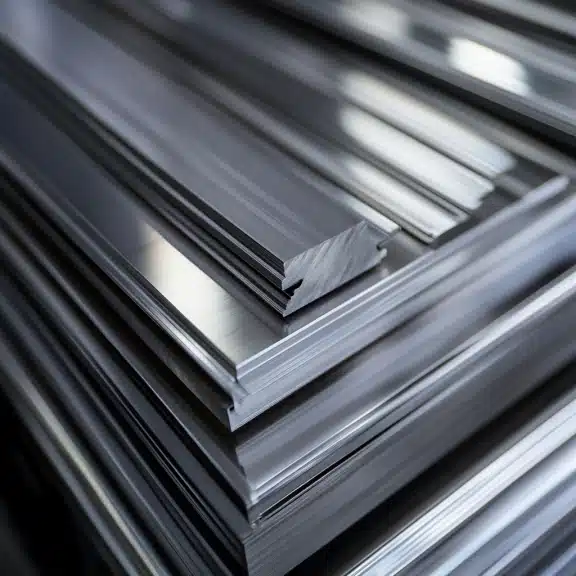
Stainless steel is a versatile, durable, and sustainable material used across many industries. By understanding the types such as austenitic, ferritic, and martensitic you can select the right grade for your application’s performance, corrosion resistance, and environmental needs.
Types of Stainless Steel: A Complete Introduction & Use Cases
Understanding the different types of stainless steel is essential for selecting the right material across industrial applications. Stainless steel offers a unique combination of durability, corrosion resistance, strength, and aesthetic appeal. It is primarily composed of iron and chromium, often with additional elements like nickel, molybdenum, or nitrogen to enhance specific properties. Knowing which type best suits your needs can improve performance, longevity, and sustainability.
Importance of Knowing Stainless Steel Types
Industrial Applications
Stainless steel plays a vital role in industries such as construction, automotive, aerospace, food processing, and healthcare. Its versatility supports structural components, medical implants, automotive exhausts, and hygienic surfaces. For example, automotive engineers often rely on stainless steel’s wear resistance to enhance performance and longevity.
Environmental Impact
Stainless steel supports a circular economy through its full recyclability. Its longevity reduces the frequency of replacement, lowering environmental footprints across product life cycles. Choosing stainless steel contributes to sustainable manufacturing practices.
Types of Stainless Steel and Their Industrial Applications
Austenitic Stainless Steel
Austenitic stainless steels are the most widely used category. They are non-magnetic, highly corrosion-resistant, and excellent for hygienic or aesthetic applications. Commonly found in food processing equipment, architectural structures, and chemical tanks, they maintain strength even at high temperatures.
Ferritic Stainless Steel
Ferritic stainless steels contain higher chromium and low carbon, providing moderate corrosion resistance and good resistance to stress corrosion cracking. They are magnetic and often used in automotive exhaust systems, household appliances, and architectural trim.
Martensitic Stainless Steel
Martensitic stainless steels are valued for high strength, hardness, and wear resistance. Although they offer lower corrosion resistance than austenitic or ferritic types, they are ideal for cutlery, turbine blades, and surgical instruments.
Need a Reliable Partner?
Red River specializes in the design and manufacturing of pressure vessels, prefabricated spools, and skid packages. Reach out today to experience the Red River difference—where American Made and American Values come together, because we care more.
Frequently Asked Questions
1. What factors should I consider when selecting a type of stainless steel for my application?
Key factors include application requirements, temperature and pressure conditions, corrosion resistance needs, mechanical properties, and compliance with industry standards. Consulting with a professional helps ensure the right grade is selected.
2.Are all stainless steel grades equally corrosion-resistant?
No. Austenitic grades like 316 offer superior corrosion resistance, especially in chloride environments. Martensitic grades provide strength but are less resistant to corrosion.
4. Can stainless steel withstand high temperatures?
Yes, particularly austenitic grades like 304 and 316, which maintain integrity under high thermal stress. Application-specific grades should always be evaluated for thermal performance.
5.What maintenance is needed for stainless steel components?
Stainless steel generally requires minimal upkeep. Regular inspections, proper cleaning, and adherence to industry maintenance practices ensure long-term performance.
6. How do I ensure compliance with standards for stainless steel components?
Ensure the stainless steel grade and manufacturing process comply with standards from ASME, ASTM, or other regulatory bodies. Working with reputable suppliers like Red River ensures regulatory alignment and safety.
Key Takeaways
- Austenitic steels are best for corrosion resistance and hygiene-focused applications.
- Ferritic steels offer magnetic properties and moderate corrosion resistance at a lower cost.
- Martensitic steels provide excellent strength and hardness but limited corrosion resistance.
- Choosing the right type improves performance, cost-efficiency, and compliance.
- Recyclability makes stainless steel a sustainable material choice.
Related Blog Post
Pressure Vessel Design & Engineering: Concept to Launch
What is Pressure Vessel Design and Engineering: Code-Ready Guide
What are the Key Factors in Pressure Vessel Engineering
How Do You Design a Pressure Vessel: A Step-By-Step Guide
What is Pressure Vessel Fabrication and Manufacturing
About Author



