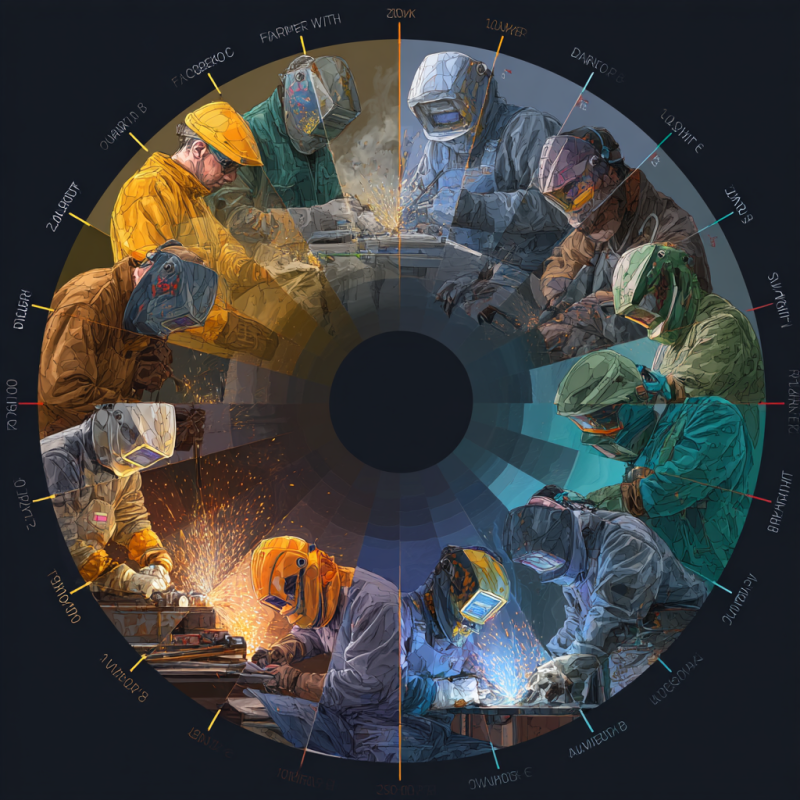
How many hours do welders work depends on the type of job, the environment, and the demands of the project. Many welders follow consistent schedules, while others experience flexible or extended work hours due to deadlines and field conditions. The nature of welding makes it a mix of predictable routines and overtime opportunities, offering both stability and variety. This blog explores the factors that shape welding schedules and how welders manage their time across different industries.
Understanding How Many Hours Do Welders Work in the Welding Industry
How many hours do welders work is one of the most common questions among new welders and industry professionals. The answer varies because welding is used in multiple sectors, each with its own demands and workflows. While many welders follow standard shifts, others encounter extended hours depending on project timelines, job type, and operational requirements.
Welding schedules are shaped by factors such as the type of fabrication, field conditions, maintenance work, and the employer’s operating structure. Because welders support essential operations, their schedules often shift between routine tasks and time-sensitive assignments. This makes welding a career where stability and flexibility can exist at the same time.
How Many Hours Do Welders Work in Different Job Types
How many hours do welders work depends heavily on the nature of the job. The work environment plays a major role in determining whether a welder follows a fixed routine or a schedule that adapts to project needs. Below are common influences on welding work hours, explained without using numerical values except in the FAQs.
Typical Welding Jobs and Their General Time Demands
Welders in traditional fabrication environments often enjoy consistent hours. These work settings usually involve production tasks, equipment assembly, or repair responsibilities. Because these facilities operate with predictable output goals, welders follow structured schedules with minimal fluctuations.
Field, Construction, and Repair Welding
Welders assigned to field jobs may experience greater variability. Projects often move through phases, and some stages require intense welding activity. When deadlines approach or project goals shift, welders may extend their hours to maintain progress and support team operations. This is common when working on-site or handling specialized welding tasks.
Project-Based Welding
Welders involved in project-driven work experience waves of activity. When a project enters peak production or completion phases, welding needs increase. This raises the time welders spend on-site, especially when safety-critical tasks must be finished before teams move to the next phase.
Key Factors That Influence How Many Hours Do Welders Work
To understand how many hours do welders work, it’s important to explore what shapes their schedules. Below are the primary influences, expressed in bullet points to avoid numerical formatting:
- Industry Requirements
Different industries use welding for fabrication, repair, construction, and custom builds. Each area has its own pace and scheduling needs. - Work Environment
Shop-based environments offer steady work hours, while field jobs can shift depending on accessibility, equipment, and project priorities. - Project Deadlines
When a project must be completed quickly, welders may work extended hours to keep everything on track. - Maintenance and Repair Needs
Equipment may require welding repair during operational downtime, which often falls outside standard hours. - Welding Specialty
Welders with advanced skills or specialized certifications may be scheduled for time-sensitive assignments, influencing total work hours. - Employer Structure
Some employers operate with fixed schedules, while others follow flexible or rotating hours based on job demands.
How Many Hours Do Welders Work When Overtime Is Required
Understanding how many hours do welders work also involves looking at overtime. Welders often support essential operations where delays can impact multiple teams. Because of this, overtime becomes part of many welding careers, especially when urgent repairs or major project shifts occur.
Welders may experience:
- Extended workdays during critical project phases
- Additional shifts to maintain production flow
- Flexible hours depending on repair urgency
- Opportunities for more work when demand spikes
Overtime is common because welding tasks often must be completed before other operations continue. This makes overtime both an opportunity and a responsibility, depending on the job.
Flexibility in How Many Hours Do Welders Work
Although many welders follow structured schedules, welding is also known for flexibility. This attracts welders who prefer more control over their time or who enjoy adapting to changing workloads.
Flexible schedules may occur when:
- Welders take on contract or freelance work
- Employers offer adjustable hours
- Teams distribute work according to project demands
- Repair tasks are assigned based on availability
Flexibility enhances work-life balance for many welders while giving them access to varied opportunities.
How Many Hours Do Welders Work Depends on Many Factors
How many hours do welders work ultimately depends on the job type, the industry, and the nature of the project. Welders in structured environments follow predictable schedules, while welders in field or project-based roles experience more dynamic workloads. Welding offers a balance of routine and flexibility, making it a strong career choice for individuals who appreciate stability while still having opportunities for extended work and overtime.
Need a reliable partner?
Red River specializes in the design and manufacturing of pressure vessels. We also fabricate related items such as prefabricated spools and skid packages.
Reach out to us today and experience the Red River difference. Where American-made products and American Values come together, we care more.
Frequently Asked Questions
1. What is the standard workweek for a welder?
Most welders work a standard 40-hour week, typically Monday to Friday, depending on the employer and job location.
2. Do welders work weekends?
Welders may work weekends, especially during peak construction periods or when projects have strict deadlines.
3. How do welding shifts work?
Welders can work day, night, or rotating shifts, depending on the industry and specific project needs.
4. Can welders work overtime?
Yes, overtime is common in welding, especially during busy seasons or when projects are behind schedule.
5. Do welding jobs require travel?
Many welding jobs, especially in construction or maintenance, require travel to remote locations, which can affect working hours.
6. How flexible are welding job hours?
While many welding jobs have set hours, some employers offer flexible schedules, especially in freelance or smaller-scale welding operations.
7.What should I do if my expansion vessel is not working properly?
If you notice signs like fluctuating pressure, water leaks, or unusual noises, it’s essential to contact a qualified technician. They can assess the vessel’s condition and recommend necessary repairs or replacements.
For more detailed information on expansion vessel maintenance and troubleshooting, you can refer to this comprehensive guide: How to Maintain and Recharge Expansion Vessels.
Key Takeaways
- Welding schedules vary widely depending on job type and industry.
- Many welders follow standard full-time hours with opportunities for flexibility.
- Project work and repair needs often increase total working hours.
- Welding offers a blend of predictable routines and potential overtime.
- Understanding the nature of the welding role helps set accurate expectations.
Related Blog Post
How a Glycol System Works
Ethylene Glycol Water: A Complete Heat Transfer Guide

Water Filter Replacement
Why Use Stainless Steel Sheet Metal Fabrication?
How Does Stainless Steel Sheet Metal Fabrication Work
No subpillar set for this blog post.
About Author