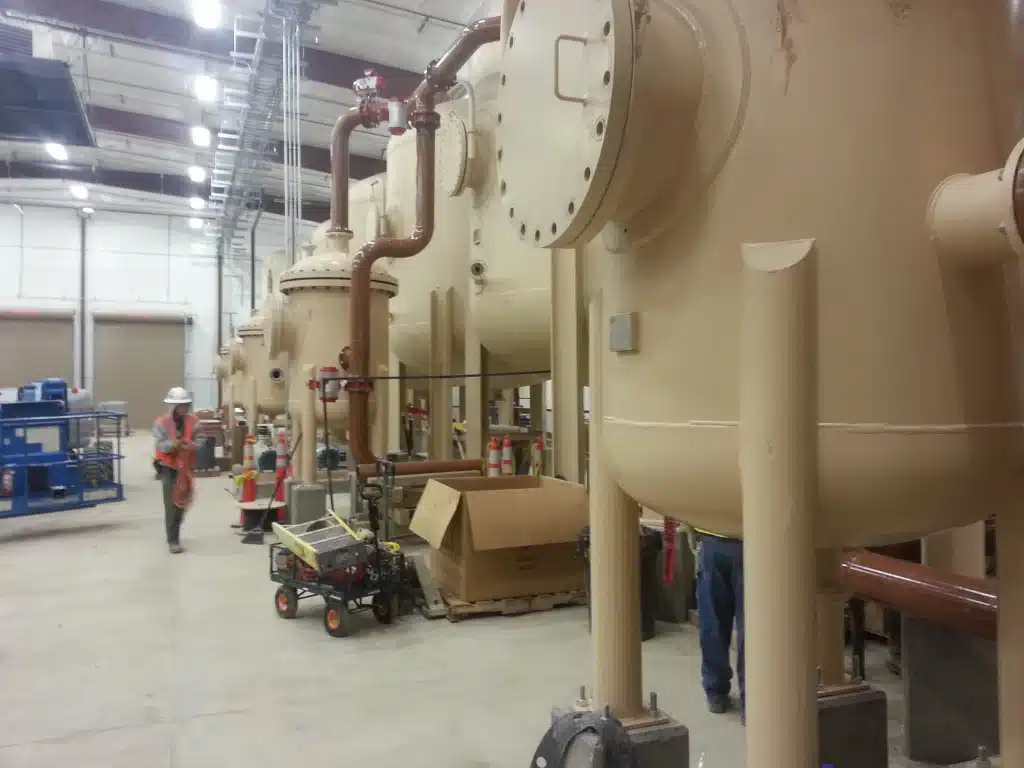
Thick Pressure Vessels Applications: Comprehensive Guide for Industry Use
Thick pressure vessels are designed to safely contain high-pressure fluids and gases across a wide range of industries. Their enhanced wall thickness provides superior strength, durability, and safety compared to standard vessels. This blog explores the most common thick pressure vessels applications, from petrochemical and nuclear industries to aerospace, food processing, and hydrogen storage. It also covers innovations, maintenance, safety considerations, and future trends in pressure vessel technology.
Thick Pressure Vessels Applications and Their Industrial Importance
Thick pressure vessels applications span multiple industries where high-pressure containment is critical. A thick pressure vessel is specifically engineered to withstand extreme pressure, temperature, and chemical exposure, making it ideal for systems that demand safety, reliability, and long-term durability. In every industrial sector that relies on containment of gases or liquids under pressure, these vessels serve as an indispensable component.
Key Benefits of Thick Pressure Vessels
Thick pressure vessels are preferred for their ability to:
- Contain high-pressure fluids safely
- Prevent leaks, ruptures, and catastrophic failures
- Reduce corrosion and chemical damage with appropriate materials
- Ensure long-term system reliability
- Maintain compliance with strict safety regulations
Industries and Applications for Thick Pressure Vessels
Petrochemical Industry
In the petrochemical sector, thick pressure vessels are essential for storing and transporting volatile chemicals and liquefied gases. They handle high-pressure hydrogen, LNG, and other reactive substances, minimizing the risk of leaks or explosions.
Oil and Gas Industry
Thick-walled pressure vessels are critical in refining, gas compression, and offshore drilling. They support high-temperature and high-pressure operations while safeguarding hydrocarbons, equipment, and personnel.
Nuclear Power Plants
Nuclear reactors require thick pressure vessels to safely house cores and fuel rods. These vessels prevent radiation leaks and maintain containment under extreme temperatures and pressures.
Aerospace Industry
Aerospace applications rely on thick pressure vessels for storing propulsion gases, oxidizers, and hydraulic fluids. Their durability ensures safe operation during high-speed flight or space travel.
Pharmaceutical and Chemical Processing
Thick pressure vessels support chemical synthesis, polymerization, and catalytic reactions by providing stable, controlled environments necessary for precision manufacturing.
Hydrogen Storage
Hydrogen fuel technology increasingly depends on thick pressure vessels for safe storage of high-pressure hydrogen, advancing the use of clean energy solutions.
Food Processing
High-pressure pasteurization, sterilization, and preservation processes in the food industry utilize thick pressure vessels to maintain quality and safety standards.
Maintenance and Safety for Thick Pressure Vessels
Even with their superior strength, thick pressure vessels require proper maintenance to ensure safety:
- Routine Inspection: Use non-destructive testing like ultrasonic and radiographic methods to detect corrosion or material stress.
- Material Selection: Opt for carbon steel, stainless steel, or high-strength alloys that resist corrosion and pressure.
- Regulatory Compliance: Adhere to ASME and other safety codes.
- Pressure Relief Devices: Equip vessels with safety valves or rupture discs to handle over-pressurization.
- Regular Maintenance: Perform cleaning, repairs, and corrosion prevention regularly.
- Operator Training: Ensure personnel are trained in operation, maintenance, and emergency protocols.
Innovations in Thick Pressure Vessel Technology
Modern industries are driving innovations to improve safety, efficiency, and sustainability:
- Advanced Materials: Composite materials and high-strength alloys reduce weight while enhancing durability.
- Digital Monitoring: Sensors and automation provide real-time pressure and temperature monitoring.
- Simulation and Modeling: CAD and FEA software optimize designs for safety and material efficiency.
- Additive Manufacturing: 3D printing allows for complex geometries and custom vessel designs.
- Smart Coatings: Coatings detect corrosion or defects early, extending vessel lifespan.
- Hydrogen Storage Advancements: Materials and designs tailored for clean energy applications.
Future Outlook for Thick Pressure Vessels Applications
Thick pressure vessels will continue to play a vital role in industries such as:
- Renewable Energy: Energy storage solutions like hydrogen, thermal, and compressed air systems.
- Space Exploration: Storage of propellants, life support systems, and mission-critical equipment.
- Biotechnology: Fermentation, sterilization, and cell culture processes.
- AI and Data Analytics: Predictive maintenance using sensor data to optimize vessel safety and efficiency.
Sustainability, international standardization, and workforce development will remain key to future innovations in thick pressure vessel design and operation.
The Role of Thick Pressure Vessels Applications in Industrial Safety and Efficiency
Thick pressure vessels applications are fundamental to industries that require high-pressure containment and operational reliability. These vessels provide safety, durability, and compliance with strict standards while supporting innovations in energy, aerospace, chemical processing, and biotechnology. Investing in high-quality vessels and proper maintenance ensures operational longevity and protects people, equipment, and the environment.
Need a reliable partner?
Red River specializes in the design and manufacturing of pressure vessels. We also fabricate related items such as prefabricated spools and skid packages.
Reach Out to us today and experience the Red River difference. Where American Made and American Values come together, we care more
Frequently Asked Questions: Thick Pressure Vessels
1. What distinguishes a thick pressure vessel from a thin one?
A thick pressure vessel has a wall thickness large relative to its radius, providing strength for high-pressure applications. Thin vessels cannot safely withstand extreme pressures.
2. In what industries are thick pressure vessels most commonly used?
They are used in petrochemical, nuclear, aerospace, pharmaceutical, chemical, and food processing industries, as well as hydrogen storage applications.
3. How are thick pressure vessels tested for safety?
Testing includes hydrostatic tests, ultrasonic and radiographic inspections, and adherence to ASME codes to ensure structural integrity.
4. What materials are commonly used for thick pressure vessels?
Common materials include carbon steel, stainless steel, high-strength alloys, and composites. High-temperature vessels may use Inconel or other specialized alloys.
5. Can thick pressure vessels be customized?
Yes, vessels can be designed for specific pressures, materials, sizes, shapes, and applications to ensure optimal safety and performance.
6. How often should thick pressure vessels be inspected?
Regular inspections depend on usage and conditions, but annual checks are recommended along with periodic non-destructive testing.
7. What safety features are recommended for thick pressure vessels?
Pressure relief valves, rupture discs, corrosion inhibitors, and monitoring systems enhance safety during high-pressure operations.
8. Can thick pressure vessels store hydrogen safely?
Yes, specialized thick-walled vessels are designed to safely store hydrogen at high pressures for fuel cells and energy applications.
9. How do innovations impact thick pressure vessels?
Advanced materials, digital monitoring, additive manufacturing, and AI analytics improve performance, safety, and predictive maintenance.
10. Are thick pressure vessels environmentally sustainable?
Modern designs focus on energy efficiency, eco-friendly materials, reduced emissions, and support renewable energy applications.
Key Takeaways
- Thick pressure vessels are critical for containing high-pressure fluids safely.
- Applications include petrochemical, nuclear, aerospace, food, chemical, and hydrogen storage.
- Proper maintenance, inspection, and operator training ensure safety and longevity.
- Innovations like advanced materials, digital monitoring, and additive manufacturing improve performance.
- RedRiver LLC provides American-made vessels and related solutions to meet industrial demands.
Related Blog Post
How a Glycol System Works
Ethylene Glycol Water: A Complete Heat Transfer Guide
Water Filter Replacement
Why Use Stainless Steel Sheet Metal Fabrication?

How Does Stainless Steel Sheet Metal Fabrication Work
No subpillar set for this blog post.
About Author