Vessel welding joint preparation is the foundation of safe and durable pressure vessels. Proper joint design, fit-up, positioning, and inspection directly influence weld quality and long-term performance.
Vessel Welding Joint Preparation Fundamentals
Vessel welding joint preparation is where quality fabrication truly begins. Before welding parameters are selected or an arc is struck, the joint itself must be designed and prepared to support full penetration, proper fusion, and even stress distribution. In pressure vessel fabrication, these early steps have a lasting impact on safety, service life, and compliance. Understanding the Thickness of a Pressure Vessel
Pressure vessels operate under demanding conditions that include internal pressure, thermal cycling, and corrosive environments. If joints are poorly prepared, even a qualified welding procedure cannot compensate for misalignment, improper bevel geometry, or contamination. Vessel welding joint preparation establishes the physical conditions required for welds to perform as designed. Explore more about Pressure Vessel Codes.
Joint preparation also supports inspection and quality control. Proper access, alignment, and geometry allow inspection methods to accurately evaluate weld integrity, reducing the likelihood of hidden defects entering service.
How Joint Design Influences Vessel Integrity
Joint design determines how loads are transferred through a vessel wall. Well-prepared joints reduce stress concentration and help distribute forces evenly across the weld and base material. Poor design, on the other hand, can introduce localized weaknesses that become failure initiation points. For more on design considerations, visit ASME Pressure Vessel Codes.
Material thickness is a primary driver of vessel welding joint preparation requirements. Thicker sections require deeper bevels and controlled root openings to achieve full penetration. Service conditions also influence design decisions. Cyclic pressure, elevated temperatures, or corrosive media demand higher joint integrity and stricter preparation tolerances. Learn more about Pressure Vessel Thickness.
Common Joint Types in Pressure Vessel Fabrication
Several joint types are commonly used in vessel welding joint preparation, each with specific applications and requirements:
- Butt joints are widely used for shell-to-shell and head-to-shell connections. When properly prepared, they provide excellent strength and full penetration. Read more on Pressure Vessel Manufacturing Process.
- Corner joints are used where perpendicular components meet. These joints require careful preparation to manage stress flow and avoid undercutting.
- Lap joints involve overlapping components and are less common in high-pressure service due to inspection limitations.
- T-joints are essential for nozzles, supports, and internal attachments. Proper beveling and fit-up are critical to ensure load transfer and leak resistance.
Each joint type must meet applicable code requirements, which define minimum preparation standards based on thickness, material, and service category. For further understanding, visit Pressure Vessel Codes.
Welding Position and Its Role in Joint Quality
Welding position has a direct impact on the effectiveness of vessel welding joint preparation. Gravity affects the weld pool, influencing penetration, bead shape, and fusion quality. Whenever possible, joints should be positioned to allow welding in the most favorable orientation. Explore Welding Procedures for Pressure Vessels.
Fabrication shops use positioning equipment such as rotators, turning rolls, and positioners to optimize welding orientation. These tools reduce welder fatigue, improve consistency, and support higher-quality vessel welding joint preparation outcomes. Learn more about Pressure Vessel Welding.
Vessel Welding Joint Preparation Techniques That Matter
Bevel Geometry and Edge Preparation
Bevel angles define access to the joint and influence penetration. Typical pressure vessel bevels range from 30 to 37.5 degrees per side, creating an included angle that supports sound weld formation. Consistency in bevel geometry is essential across the entire joint. For an in-depth understanding of bevels, check out Pressure Vessel Design.
Root Face and Root Opening Control
Root face thickness and root opening size determine how the initial weld pass forms. A properly sized root face provides support, while an accurate root gap allows penetration to the joint root. Vessel welding joint preparation requires tight control of these dimensions during fit-up. To understand the importance of fit-up, visit Pressure Vessel Design and Fabrication.
Surface Cleanliness Before Welding
Clean joint surfaces are essential. Contaminants such as oil, scale, paint, and moisture can cause porosity and lack of fusion. Mechanical and chemical cleaning methods are commonly combined to ensure weld-ready surfaces. For more information, check out Pressure Vessel Surface Treatment.
Thermal Considerations for Thick Sections
For thicker materials and certain alloys, preheating may be required as part of vessel welding joint preparation. Controlled heating reduces cooling rates, minimizes cracking risk, and supports proper fusion.
Quality Control in Vessel Welding Joint Preparation
Inspection begins before welding starts. Visual inspection verifies bevel angles, alignment, root dimensions, and cleanliness. Measuring tools ensure preparation meets engineering and code requirements. Documentation supports traceability and compliance. Recorded preparation parameters become part of the vessel quality record and demonstrate adherence to approved procedures. Learn more about Pressure Vessel Inspection.
After welding, non-destructive testing confirms joint integrity. Proper vessel welding joint preparation improves inspection reliability by reducing false indications and missed defects.
Vessel Welding Joint Preparation and Fabrication Reliability
Vessel welding joint preparation is not an isolated task. It is an integrated part of fabrication that influences welding efficiency, inspection accuracy, and long-term reliability. When preparation is treated as a priority rather than an afterthought, vessels are more likely to meet performance expectations throughout their service life. Read more on Pressure Vessel Reliability.
By investing time and expertise in vessel welding joint preparation, fabricators reduce rework, minimize inspection failures, and improve overall safety. These benefits extend well beyond the shop floor and into long-term operation.
Need Expert Vessel Welding Joint Preparation?
At Red River, we specialize in precision pressure vessel design and manufacturing, including prefabricated spools and skid packages. Our expert team ensures every welding joint is meticulously prepared for maximum durability, compliance, and safety.
Contact us today to learn how we can support your project and exceed your expectations.
Frequently Asked Questions
1. What is vessel welding joint preparation and why is it important?
Vessel welding joint preparation defines the geometry, cleanliness, and alignment of a joint before welding. It is important because it directly affects penetration, fusion, and weld strength.
2. How does vessel welding joint preparation affect inspection results?
Proper preparation improves inspection accuracy by allowing defects to be detected more reliably during radiographic or ultrasonic examination.
3. Do different materials require different vessel welding joint preparation methods?
Yes. Carbon steel, stainless steel, and alloy materials each respond differently to heat and stress, requiring tailored joint preparation approaches.
4. What welding positions are best for pressure vessel joints?
Flat and horizontal positions are preferred because they provide better weld pool control and more consistent results.
5. How can fabricators verify vessel welding joint preparation before welding?
Verification is performed through visual inspection, measurement of joint dimensions, and documentation against approved specifications.
Key Takeaways
- Vessel welding joint preparation sets the foundation for weld quality
- Joint design and positioning directly influence vessel integrity
- Cleanliness and dimensional control prevent common weld defects
- Inspection begins before welding and relies on proper preparation
- Investing in preparation reduces rework and improves long-term safety
Related Blog Post
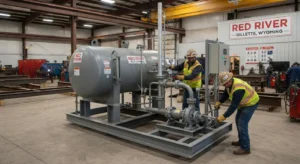
Can Condensate Storage Improve Reliability?
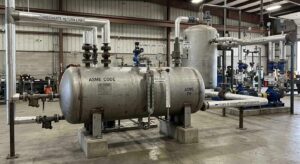
Where Do Condensate Tanks Fit in a Steam System?
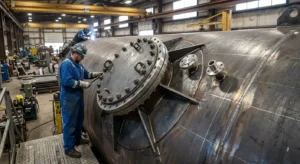
Which Nozzles Simplify Maintenance on Pressure Vessels?
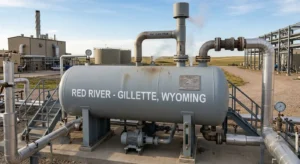
How to Vent Condensate Tanks in Steam Systems
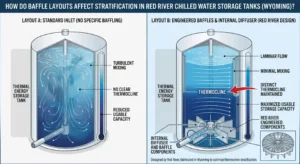
How Do Baffle Layouts Affect Stratification in TES Tanks?
About Author